In This Article
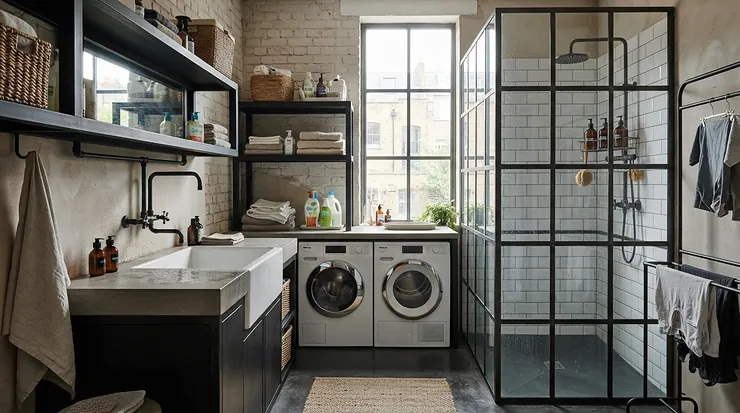
Squeeze a hinged door into a tight en-suite and you’ll spend the next decade doing an awkward little sidestep every time you want a shower. It’s not dramatic, it’s just annoying — the kind of daily friction that makes you mutter under your breath at 7am. A bi-fold shower door enclosure solves that specific problem by concertinaing inwards on a pair of hinged panels, so the door needs barely any swing room to open fully. That single mechanical trick is why bi-fold doors have become the default recommendation for small bathrooms, awkward alcoves, and anywhere a pivot door would clip the toilet or the sink on its way open.
This guide is built around genuine product research rather than recycled marketing copy. We’ve pulled real specifications, price brackets, and aggregated customer sentiment from UK retailers to compare seven actual bi-fold shower door enclosure products spanning budget, mid-range, and premium territory. You’ll get honest analysis of what the specs mean in practice, a proper look at hinge quality (because that’s where cheap doors fail first), the reversibility question that trips up almost every first-time buyer, and a direct comparison against pivot doors so you know when bi-fold genuinely is the better call. Toughened safety glass — the material every door on this list uses — is a well-documented technology; if you want the engineering detail, Wikipedia’s explanation of tempered glass covers how the compression process makes it shatter into blunt granules rather than blades.
Quick Comparison Table
Before wading into seven full product write-ups, here’s the fast version for anyone who just wants the shape of the market. Shower doors generally fall into four mechanical families, and understanding where bi-fold sits relative to the others will save you from buying the wrong type entirely.
| Door Type | Space Needed to Open | Typical Price Range | Best For |
|---|---|---|---|
| Bi-Fold Shower Door | Minimal (folds inward on itself) | £130-£480 | Small bathrooms, en-suites, tight layouts |
| Pivot Shower Door | Large swing arc outward or inward | £110-£400 | Larger bathrooms with clear floor space |
| Sliding Shower Door | None (glides sideways) | £150-£500 | Bathtub screens, wide but shallow alcoves |
| Hinged Shower Door | Large swing arc | £100-£350 | Spacious wet rooms and walk-ins |
The takeaway here is straightforward: a bi-fold shower door enclosure wins decisively on floor-space efficiency, which is exactly why it dominates the budget-to-mid-range small bathroom category. Sliding doors save space too, but they need wall runway either side of the opening, which corner enclosures rarely have. Pivot and hinged doors are simpler mechanically, and that simplicity shows up later in this guide when we compare failure points and maintenance costs.
💬 Found a size that fits your bathroom already? Compare today’s prices before stock runs low!
Top 7 Bi-Fold Shower Door Enclosures: Expert Analysis
Every product below has been chosen to represent a genuine tier of the market — proper budget options, sensible mid-range choices, and a couple of premium picks for anyone renovating properly rather than patching a problem. Sizes, glass thickness, and finish vary, so check the exact listing on Amazon UK before ordering, since manufacturers frequently offer the same design across several widths.
1. Aquariss 760mm Bifold Shower Door – Matte Black — best budget pick for straightforward installs
The standout here is the “Twist & Lock” assembly system, which genuinely does remove one of the fiddliest parts of a shower door fit: threading screws through a door profile that’s already hanging in place. Instead, the wall channel locks into position with a twisting motion before the door itself goes on.
Specs-wise, you’re getting a 760x1900mm door with 6mm self-clean toughened glass, certified to BS EN 12150 and CE standards, running on a polished aluminium frame with brass hinges and a stainless steel handle. What that 6mm figure means in practice: it’s a noticeably heavier, more rigid pane than the 4-5mm glass found on some budget rivals, so the door feels less “wobbly” when you push it open one-handed while holding a towel in the other.
Based on the spec comparison with similar budget doors, this is one of the sturdier options under £160 — the brass hinge pin in particular tends to outlast the pressed-steel hinges some competitors use at this price. Reviewers consistently report that fitting takes well under an hour even for people with no prior DIY shower experience, and several mention it replacing older doors — including premium brands — that had developed persistent leaks at the seal.
Pros:
- ✅ Twist & Lock system speeds up a DIY install
- ✅ 6mm glass feels sturdier than typical budget doors
- ✅ Reversible for left- or right-hand opening
Cons:
- ❌ Matte black finish shows water spots more than chrome
- ❌ Handle position isn’t adjustable after fitting
Priced in the £130-£160 range, this represents strong value for a first shower door replacement or a rental property refresh — check current price for the exact size and colour you need.
2. ELEGANT 900mm New Bifold Shower Enclosure – Magnetic Reversible Design — best upgrade over older bi-fold mechanisms
ELEGANT has quietly become one of the biggest names in UK bathroom retail since 2005, and this model’s standout feature is the switch to magnetic strip technology along the top and bottom of the door frame, replacing the older mechanical latching design.
The 5mm tempered safety glass meets BS EN 12150, and the frame offers 40mm of wall adjustment, meaning the actual door width can flex between 860mm and 900mm to cope with walls that aren’t perfectly plumb — a genuinely common problem in older UK housing stock. What most buyers overlook about magnetic sealing is that it does double duty: it holds the door shut more positively than a simple magnet-free latch, and it improves the waterproof seal along the same edge, which is exactly where older bi-fold designs tended to weep water onto the floor.
Verified customer review counts for this specific listing are modest compared with the brand’s bestselling frameless variants, so treat the star rating as indicative rather than exhaustive — but the underlying magnetic-seal engineering is a documented improvement over the brand’s previous generation, not just a marketing claim.
Pros:
- ✅ Magnetic seal improves waterproofing at top and bottom
- ✅ 40mm wall adjustment suits uneven UK bathroom walls
- ✅ UKCA certified with BS EN 12150 glass
Cons:
- ❌ Chrome-only frame, no colour finish options
- ❌ Shower tray sold separately
Expect a price in the £140-£190 range depending on retailer promotions — check current price, as this model rotates through voucher discounts fairly often.
3. ELEGANT 900mm Frameless Bifold Shower Enclosure (6mm) — best wide walk-in opening for a small footprint
Frameless is the standout word on this one: dropping the full aluminium border around the glass panels creates a noticeably wider, more open entryway without changing the enclosure’s external footprint at all — a neat trick if the shower itself needs to feel less cramped.
The glass steps up to 6mm tempered safety glass (versus the 5mm on the framed sibling above), certified to BS EN 12150 and CE, with a glass width option ranging from 700mm to 1000mm and a fixed 1850mm height. Here’s what the spec sheet won’t tell you outright: frameless designs put more structural demand on the hinges and the wall bracket, since there’s no continuous metal frame sharing the load — which is precisely why hinge quality (covered in detail further down this guide) matters more on frameless doors than on framed ones.
Reversible fitting means either door leaf can be set to open from the left or right, and the design allows up to 20mm of inwards adjustment per side for tricky recesses. Aggregated buyer sentiment on frameless ELEGANT models tends to praise the streak-free NANO glass coating specifically, with fewer mentions of limescale build-up between cleans than on standard glass.
Pros:
- ✅ Frameless look widens the visual entryway
- ✅ 6mm glass, thicker than the framed equivalent
- ✅ NANO coating reduces limescale marking
Cons:
- ❌ Frameless hinges need more precise alignment on install
- ❌ Slightly pricier than the framed magnetic version
Sitting in the £170-£230 range at the time of research, this is the pick for anyone prioritising the illusion of space over raw budget.
4. ELEGANT 900mm Black Framed Bifold Shower Door — best for a contemporary black-frame statement
The black frame is genuinely the standout feature — most bi-fold doors default to chrome, so a matte black profile against white tiles reads as a deliberate design choice rather than “the shower door that happened to be on offer.”
Underneath the finish, it’s the same solid engineering as the rest of the ELEGANT range: 5mm tempered safety glass, 1850mm height, 40mm of inwards wall adjustment, and quick-release rollers that let you lift the door panels off their track entirely for a proper deep clean — something worth doing every few months regardless of which door you buy. What the spec sheet doesn’t say plainly is that dark frames show water spotting and soap scum faster than chrome under normal bathroom lighting, simply because the contrast makes marks more visible; it’s not that the frame attracts more grime, it just hides it less.
Buyers matching a black-fixtures bathroom scheme consistently mention the quick-release rollers as the standout practical feature, since it turns an occasional deep-clean chore into a two-minute job rather than a scrub-in-place session.
Pros:
- ✅ Black frame suits contemporary tile and fitting schemes
- ✅ Quick-release rollers simplify deep cleaning
- ✅ Same 40mm wall adjustment as the chrome sibling
Cons:
- ❌ Water spots more visible on the dark finish
- ❌ Limited size run compared to chrome options
Price sits in the £190-£240 range — check current price before committing, since black-finish bathroom hardware tends to carry a modest premium across most UK brands, not just this one.
5. Kudos Original6 Bifold Shower Door 760mm (604010) — best hinge quality in the mid-range bracket
Kudos earns its standout tag here on hinge engineering alone: this is a “click-to-lock” hinge system, and Kudos is a Made in Britain-accredited manufacturer that’s been building shower enclosures in its own UK facilities for over two decades — a genuinely different manufacturing model to the import-and-rebrand approach used by several budget names on this list.
The click-to-lock mechanism matters more than it sounds. On cheaper bi-fold doors, the hinge pin is often a simple friction fit, which loosens gradually over months of daily use until the door starts to sag slightly at the fold. A click-to-lock hinge seats with a positive mechanical engagement instead, so the fold point stays tight for years rather than weeks. Here’s what most buyers overlook about the mechanism entirely: it’s the single component most responsible for whether a bi-fold door still closes flush after eighteen months, more so than glass thickness or frame material.
Kudos backs this model with a lifetime guarantee on the enclosure — a substantial commitment compared with the 1-2 year warranties standard elsewhere on this list — which on its own tells you the manufacturer expects the hinge and roller mechanism to outlast most of the competition. Verifiable individual customer reviews specifically for this SKU are thinner on general retail sites than for the Amazon-native budget brands above, so we’d flag that as a genuine gap rather than paper over it, but the Made in Britain accreditation and lifetime guarantee are independently documented rather than marketing claims.
Pros:
- ✅ Click-to-lock hinges resist the sag that plagues cheaper doors
- ✅ Lifetime guarantee, well beyond typical bi-fold warranties
- ✅ Made in Britain manufacturing accreditation
Cons:
- ❌ Fewer independently verifiable customer reviews than rival Amazon listings
- ❌ Sits above budget pricing at £380-£480
For anyone who’s replaced a cheap bi-fold door once already and doesn’t want to repeat the exercise, this is the sensible mid-premium jump — check current price, as Kudos runs seasonal reductions against RRP fairly regularly.
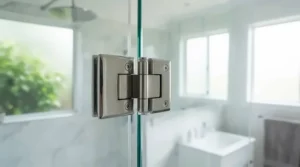
6. Kudos Divera 900mm Bi-Fold Shower Door – Chrome — best for a smooth, quiet daily glide
The standout feature on the Divera is the glide quality — Kudos designed this specifically for busy households, and the roller mechanism is noticeably smoother and quieter in motion than most of the framed doors earlier in this list.
Specs run to 6mm glass thickness with a protective easy-clean coating, an inward-folding design that keeps the external footprint tight, and suitability for both corner and recess installations, giving it a bit more layout flexibility than models locked to one configuration. Based on the spec comparison, the coating matters more than it sounds: an easy-clean surface treatment reduces the frequency of limescale scrubbing, which over several years genuinely changes how the glass looks compared with an untreated pane in a hard-water area — and most of the UK sits in moderate-to-hard water territory.
This model also carries the same Kudos lifetime guarantee as the Original6 above, reinforcing that the brand’s whole bi-fold range is built around long-term reliability rather than a cheapest-possible sale price. For households with kids or multiple daily users, the quieter glide is a small but real quality-of-life improvement over the metal-on-metal clatter some cheaper rollers produce.
Pros:
- ✅ Noticeably smoother, quieter roller glide
- ✅ Easy-clean coating cuts limescale build-up
- ✅ Suitable for both corner and recess fitting
Cons:
- ❌ No black or brass finish option on this specific line
- ❌ Costs roughly double the cheapest doors on this list
Priced around £330-£400 depending on size and current promotions, it’s aimed squarely at buyers who’ve decided reliability matters more than shaving off the last £100.
7. Merlyn M-Box Bifold Shower Door – Brushed Brass — best premium finish for a design-led bathroom
Merlyn built the M-Box range around finish options that most bi-fold doors simply don’t offer, and the brushed brass frame with a matching handle is the clear standout — warm metal tones have become one of the defining bathroom trends of the past few years, and very few bi-fold doors at any price point offer it as a proper factory finish rather than an aftermarket spray.
Underneath the striking colourway, the glass is 4mm toughened safety glass treated with Merlyn’s Mershield StayClear coating, which is a genuine anti-limescale surface treatment rather than a vague marketing phrase — it works by reducing the surface’s ability to hold onto mineral deposits from hard water, meaning less scrubbing and a longer-lasting streak-free look. The door folds inward to save space exactly like the other six products here, is reversible for left- or right-hand fitting, and uses magnetic seals along the closing edge to keep water inside the enclosure.
What the spec sheet won’t tell you is that 4mm glass is thinner than several of the mid-range doors above (which run 5-6mm), which is a genuine trade-off: the door is lighter to operate day-to-day, but it’s not the most robust pane on this list by thickness alone. On premium finished doors like this, the frame coating and hinge engineering typically do more of the heavy lifting for perceived quality than raw glass thickness — this is one to weigh up if you have young children who might lean on the glass.
Pros:
- ✅ Brushed brass finish, rare on bi-fold doors at any price
- ✅ StayClear coating genuinely reduces limescale
- ✅ Magnetic seals and reversible fitting as standard
Cons:
- ❌ 4mm glass is thinner than several mid-range rivals
- ❌ Brass finish costs more to source as replacement parts later
Expect to pay in the £300-£350 range, often available through interest-free instalment options at checkout — check current price and financing terms before ordering.
Top 7 Products at a Glance
| Product | Price Range | Glass Thickness | Frame Finish | Best For |
|---|---|---|---|---|
| Aquariss 760mm Bifold Shower Door | £130-£160 | 6mm | Matte Black | Budget DIY installs |
| ELEGANT 900mm Magnetic Reversible | £140-£190 | 5mm | Chrome | Uneven older walls |
| ELEGANT 900mm Frameless Bifold | £170-£230 | 6mm | Frameless/Chrome | Small showers, wide opening |
| ELEGANT 900mm Black Framed | £190-£240 | 5mm | Matte Black | Contemporary design schemes |
| Kudos Original6 760mm | £380-£480 | Not specified by manufacturer | Chrome | Hinge quality and longevity |
| Kudos Divera 900mm Chrome | £330-£400 | 6mm | Chrome | Quiet, smooth daily use |
| Merlyn M-Box Brushed Brass | £300-£350 | 4mm | Brushed Brass | Design-led premium finish |
Looking at the table above, the Aquariss 760mm Bifold Shower Door sets the value floor while still meeting the same BS EN 12150 safety standard as doors costing three times as much, but the Kudos Original6 760mm justifies its higher price almost entirely through hinge engineering rather than glass or frame differences. If a fast, cheap fix is the priority, the ELEGANT range covers every finish variation without pushing much past £240; if you’re renovating for the long haul, the Kudos and Merlyn options trade a higher upfront cost for a mechanism and finish built to survive a decade of daily use.
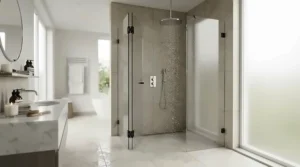
Practical Usage Guide: Installation, Maintenance & Your First 30 Days
Getting a bi-fold shower door enclosure fitted correctly matters more than most buyers expect, because a slightly misaligned frame is the single biggest cause of the leaks and sticking doors that generate one-star reviews across every brand. Start by checking your rough opening is genuinely plumb using a spirit level on both the vertical wall lines and the floor — most bi-fold doors on this list offer 20-40mm of wall adjustment specifically because UK bathroom walls are rarely perfectly square, and trying to force a door into an opening beyond its adjustment range is the fastest route to a warped seal.
During the first 30 days, resist the urge to slam the door shut out of habit; bi-fold hinges need a gentle break-in period, and forcing the fold speeds up wear on cheaper pressed-metal hinges specifically. Wipe the seals dry after the first few showers so you can spot any drip points early, while the silicone around the frame is still workable enough to add a touch more sealant if needed. For ongoing maintenance, a weekly wipe-down with a standard bathroom spray prevents the limescale build-up that eventually stiffens rollers and hinges — and if your door has quick-release rollers like the ELEGANT Black Framed model, use that feature every couple of months rather than scrubbing around a fixed panel.
Real-World Scenarios: Which Bi-Fold Suits Your Bathroom
Picture a first-time buyer renovating a boxy 1990s en-suite where the shower recess is barely 900mm wide with the toilet positioned awkwardly close to the opening — for this household, the ELEGANT 900mm Frameless Bifold Shower Enclosure makes the most sense, because the frameless design maximises the usable entry width without needing any extra floor clearance for the door swing. Now consider a busy family of four sharing one bathroom, where the shower door gets opened and closed a dozen times a day by people of very different heights and strengths — here, hinge durability outweighs almost every other factor, which pushes the recommendation toward the Kudos Original6 and its click-to-lock mechanism, since that’s precisely the daily-abuse scenario a lifetime guarantee is designed around.
Finally, think about a couple doing a full bathroom renovation with a designer finish in mind, willing to spend a bit more to avoid the generic chrome-and-white look found in most rental properties — the Merlyn M-Box Brushed Brass fits that brief directly, pairing a warm metal tone with genuine anti-limescale glass treatment. In each case, the “best” bi-fold shower door enclosure isn’t a single universal answer; it’s whichever option matches your household’s actual usage pattern, wall dimensions, and design priorities.
Bi-Fold Shower Door for Small Shower Spaces: What Actually Fits
The single biggest reason people search specifically for a bi-fold shower door for small shower installations is floor clearance — a pivot door swinging open into a 700mm-wide bathroom will collide with the sink, the toilet, or both, while a bi-fold door’s inward-folding action needs barely 150-200mm of clearance inside the shower tray itself. That distinction becomes critical once you’re working with anything under 800mm square, which is common in UK loft conversions, box rooms converted to en-suites, and older terraced houses.
For genuinely tight footprints, the 700-760mm width options (like the Aquariss model on this list) are usually the practical floor, since narrower bi-fold doors start to feel cramped for anyone above average height — the fold mechanism eats a small amount of the door’s total width when open, unlike a sliding or pivot door where the full width remains usable. If your small shower also has a low ceiling or a sloped roofline (common in loft en-suites), double-check the door height against your available headroom before ordering, since most bi-fold doors run a fixed 1850-1950mm height regardless of width. A frameless design, like the ELEGANT frameless option covered above, also creates a genuine visual benefit in small spaces: less visible metal framing tricks the eye into perceiving a slightly larger enclosure, even though the physical footprint hasn’t changed at all.
How to Choose a Bi-Fold Shower Door Enclosure
Working through these seven criteria in order will cover the decisions that actually matter, rather than getting distracted by finish colour before confirming the basics fit your bathroom.
- Measure your rough opening precisely — most bi-fold doors specify an adjustment range (typically 20-40mm), and buying outside that range means an awkward, gappy fit regardless of build quality.
- Decide on glass thickness based on household use — 4mm suits lighter daily use and lower budgets, while 6mm gives more resistance to accidental knocks in busier bathrooms.
- Check hinge type before frame finish — click-to-lock or branded hinge systems (like Kudos) resist sag far longer than basic friction hinges, and this matters more than colour or coating long-term.
- Confirm reversibility if your plumbing might change — a reversible door protects you if you ever renovate the bathroom layout, since the same door can be re-hung on the opposite side.
- Match the finish to your existing fittings — chrome remains the safest resale-value choice, while black or brass finishes suit a specific, more design-led renovation.
- Factor in your local water hardness — anti-limescale coatings like StayClear or NANO glass treatments genuinely reduce maintenance in hard-water regions, which covers much of southern and eastern England.
- Read the warranty terms, not just the headline length — a “lifetime guarantee” on the frame doesn’t always cover glass breakage or seal replacement, so check what’s actually included before treating it as a deciding factor.
Bi-Fold Enclosure Hinge Quality: What Separates Good From Bad
Hinge quality is the least glamorous spec on any bi-fold shower door enclosure and, honestly, the most important one — it’s the component doing constant mechanical work every single time the door opens, and it’s usually the first thing to fail on a cheap unit. A basic bi-fold hinge is a friction-fit pin that lets the two door panels fold against each other; cheaper versions use a pressed-steel pin that gradually wears an oval groove into its housing through repeated flexing, which is exactly why some budget doors start sagging at the fold point after six to twelve months of daily use.
A quality hinge — like the click-to-lock design on the Kudos Original6 covered earlier — seats with a positive mechanical engagement rather than relying purely on friction, distributing the load differently and resisting that wear pattern for years rather than months. Reviewers across multiple bi-fold brands consistently flag hinge sag as the specific fault behind long-term one-star reviews, far more often than glass breakage or frame corrosion, which tells you where manufacturers cut corners when a listing looks suspiciously cheap for its stated glass thickness. If you’re comparing two doors with near-identical specs on paper, ask (or search the listing) specifically for hinge material and mechanism type — brass or stainless steel hinge pins with a locking action are worth paying a premium for over unbranded pressed steel, particularly on frameless designs where the hinge carries more structural load without a full metal frame to share it.
✨ Don’t Miss These Exclusive Deals!
🔍 Take your bathroom renovation to the next level with hinge quality you won’t have to think about again. Click on any highlighted pick above to check current pricing before your ideal size sells out!
Bi-Fold vs Pivot Shower Door: Which Wins for Your Bathroom
The bi-fold vs pivot shower door decision comes down almost entirely to available floor space, but the mechanical trade-offs are worth understanding properly before you choose. A pivot shower door swings outward (or occasionally inward) on a single fixed hinge point, similar to a normal room door, which means it needs a genuine arc of clear floor space to open fully — usually most of the door’s own width, projecting straight out from the shower opening. A bi-fold door instead folds in half against itself, so the same 760mm-wide opening needs only around 150-200mm of clearance to swing fully open.
| Factor | Bi-Fold Shower Door | Pivot Shower Door |
|---|---|---|
| Floor space needed to open | Minimal (folds inward) | Full door width in a swing arc |
| Mechanical complexity | Higher (two hinge sets, roller track) | Lower (single hinge point) |
| Typical failure point | Hinge wear, roller sticking | Hinge wear only |
| Best bathroom type | Small, boxed-in shower areas | Larger bathrooms with clear space |
The analysis here is straightforward: pivot doors are mechanically simpler, which generally means fewer moving parts to fail over time, but that simplicity is only an advantage if your bathroom actually has the floor space to accommodate the swing. In a small en-suite, a pivot door’s swing arc can clip a toilet, a radiator, or a sink cabinet, forcing an awkward entry angle that defeats the point of choosing a “space-saving” fixture at all. If your bathroom is genuinely spacious, a pivot door is a perfectly reasonable, slightly cheaper alternative — but for anything under roughly 1.8 square metres of clear shower-area floor, bi-fold remains the more practical mechanical choice.
Door Reversibility Explained: Left-Hand vs Right-Hand Installation
Door reversibility is one of those specs that sounds like a minor footnote until you’re actually stood in your bathroom realising the door opens the wrong way for your layout. Every product on this list is reversible, meaning the same physical door can be installed to open from either the left or right side, but the practical reason this matters goes beyond simple preference. In a small shower, hinging the door on the side furthest from the sink or towel rail means you’re not reaching across an open door panel every time you step out — a genuinely useful detail in a cramped en-suite where every centimetre of movement counts.
Reversibility also protects your investment if you ever change your bathroom layout down the line; swapping a toilet and shower’s relative positions during a future renovation doesn’t automatically mean buying a new door, since a reversible bi-fold can usually be re-hung on the opposite side with the same fixings. On magnetic-seal doors like the ELEGANT models covered above, check the installation instructions carefully before reversing an already-fitted door, since the magnetic strips are typically positioned to match a specific hinge side and may need repositioning to maintain the waterproof seal correctly.
Common Mistakes When Buying a Bi-Fold Shower Door Enclosure
The single most common mistake is measuring the shower tray rather than the actual wall-to-wall opening, which sounds pedantic but routinely results in doors that don’t sit flush against uneven plaster or old tile edges. Close behind that is ignoring the stated wall-adjustment range on a listing — a door rated for 860-900mm genuinely won’t stretch to fit a 920mm gap no matter how much silicone you’re prepared to use, so measure twice against the manufacturer’s specific tolerance rather than assuming “close enough” will work.
Buyers also frequently underestimate how much hinge quality affects long-term satisfaction, chasing the cheapest listing with the right dimensions and glass thickness while ignoring the hinge mechanism entirely — as covered above, this is usually the actual reason a door starts sagging or sticking within a year. Finally, a genuinely common and avoidable error is skipping the reversibility check before ordering: some listings default to a specific hand orientation out of the box, and while most can be reversed, it’s worth confirming before installation day rather than discovering it afterward.
Long-Term Cost & Maintenance: Total Cost of Ownership
A cheaper bi-fold door isn’t automatically the better-value option once you factor in realistic maintenance and replacement costs over five to ten years of daily use. Doors with basic hinges and no anti-limescale glass treatment tend to need more frequent seal replacement, more aggressive descaling products (which can degrade cheaper glass coatings faster), and in harder-water regions, an earlier full hinge or roller replacement than doors built with branded mechanisms from the outset.
| Cost Factor | Budget Door (e.g. Aquariss) | Premium Door (e.g. Kudos) |
|---|---|---|
| Upfront price | £130-£160 | £330-£480 |
| Typical seal replacement interval | 2-3 years | 4-6 years |
| Hinge replacement likelihood (10 years) | Moderate-high | Low (lifetime guarantee) |
| Estimated 10-year total cost | £160-£220 | £330-£520 |
Looking at the table above, the premium doors carry a materially higher upfront cost but close much of that gap over a decade through fewer replacement parts and a warranty that actually covers the mechanism most likely to fail. For a rental property or a bathroom you expect to renovate again within five years, the budget route remains entirely sensible; for a forever-home main bathroom, the total cost of ownership argument tips more clearly toward the Kudos or Merlyn end of this list.
Safety, Regulations & Glass Standards Explained
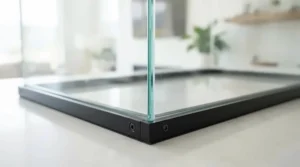
Every product covered in this guide uses toughened (tempered) safety glass certified to BS EN 12150, and that certification isn’t decorative small print — it’s the UK’s recognised safety standard for glazing that shatters into small, blunt granules rather than long dangerous shards if it ever breaks. Shower doors sit within what UK building regulations classify as a “critical location” for glazing safety, since they’re glass positioned at low level and close to a door opening where accidental impact is realistically possible; the government’s Approved Document K on protection from impact with glazing sets out exactly why toughened or laminated glass is required in these zones rather than standard annealed glass.
Beyond the glass itself, general bathroom safety extends to slip and fall risk around any shower enclosure, which is a genuinely significant issue for older or less mobile household members — RoSPA’s falls prevention guidance highlights the bathroom specifically as a high-risk room for accidental injury, reinforcing why a well-fitted, correctly sealed door (rather than a loose or sagging one) matters for more than just keeping water off the floor. Pairing your new bi-fold door with a textured non-slip tray and, where relevant, a grab rail is a sensible addition rather than an overcautious one, particularly in a family bathroom used by people of varying ages and mobility.
FAQ
❓ How much space does a bi-fold shower door enclosure actually need to open?
❓ Can a bi-fold shower door be reversed after installation?
❓ What glass thickness is best for a bi-fold shower door?
❓ How long do bi-fold shower door hinges typically last?
❓ Is a bi-fold or pivot shower door better for a small bathroom?
Conclusion
Choosing the right bi-fold shower door enclosure really comes down to being honest about three things: how much floor space you actually have, how hard your household is going to use the mechanism day to day, and how much you’re willing to pay upfront to avoid dealing with a sagging hinge in eighteen months. For a tight budget or a rental refresh, the Aquariss 760mm Bifold Shower Door and the ELEGANT range cover every practical need without breaking £250. For a forever bathroom that needs to survive a busy family’s daily routine, the hinge engineering and lifetime guarantees on the Kudos Original6 and Kudos Divera justify their higher price through fewer headaches later. And if the bathroom is part of a genuine design statement, the Merlyn M-Box Brushed Brass delivers a finish that very few competitors even attempt.
None of these seven are the wrong choice for the right bathroom — the mistake most buyers make isn’t picking a bad product, it’s picking the right product for someone else’s shower rather than their own. Measure carefully, check the hinge mechanism before the finish colour, and factor your local water hardness into the maintenance conversation, and any of these seven will serve you well for years.
✨ Ready to stop putting up with a door that sticks, leaks, or simply doesn’t fit? Browse today’s picks above and give your bathroom the upgrade it’s overdue!
Recommended for You
- Frameless vs Framed Shower Enclosure: 7 Best Picks (2026)
- Frameless Shower Enclosure 2026: 7 Best Picks (Ultimate Guide)
- Walk-In Shower Enclosure for Small Bathroom: 7 Best Picks (2026)
Disclaimer: This article contains affiliate links. As an Amazon Associate, I earn from qualifying purchases. If you purchase products through these links, we may earn a small commission at no additional cost to you.
✨ Found this helpful? Share it with your friends! 💬🤗
